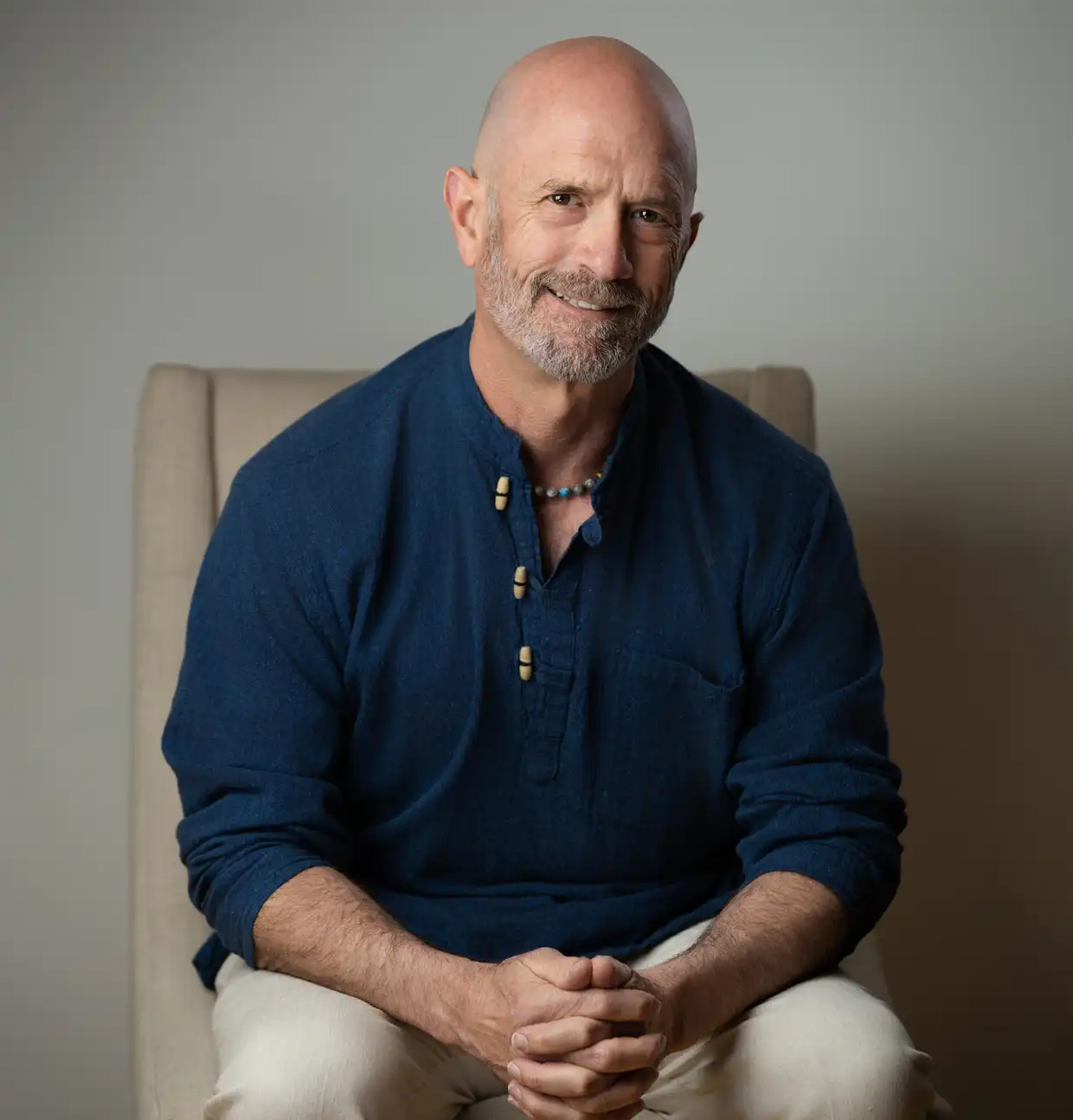

Todd is a successful leader people admire; sharp, respected, kind. And he’s certain he’s a wonderful listener: he nods, he holds eye contact, he “gets” people.
But lately Todd’s noticed things. Most meetings end with everyone agreeing with him, then unraveling in the hallway. Hard conversations keep not happening. The rising star suddenly quits, citing things no one ever said to his face.
He thought he was a great listener. Sometimes he was. But sometimes when he is trying to listen, his mind is super busy, thinking of his response, his turn, his way. Now he wonders what he’s been missing.
You Are the Hardest Person to Hear
If that lands a little too close, good. It means you’re being honest with yourself. Because the hardest person for any leader to hear clearly is the one looking back in the mirror. Which requires awareness and attention.
In Hebrew, the phrase for “pay attention” — simu lev — literally means place your heart, to be emotionally open. Beautiful.
Real listening was never a skill of the ears. It’s a skill of the heart, and you can’t open your heart to another person’s truth, when you’re not open to know your own truth.
AMARE LEADERSHIP LAB, STARTS SEPT 14 Learning to hear what’s real? That’s hard to do alone; your blind spots are, by definition, invisible to you. The Amare Leadership Lab is a small-group experience for senior leaders who want sharper self-awareness, deeper listening, and the clarity to lead with love. Come explore what it could do for you and your team, at amareleadership.com/amare-leadership-lab . Next Lab starts in September, spots are very limited!
The Dynamic Duo – Listening and Self-Awareness
The more clearly you can see yourself; your triggers, your pride, the private story you’re telling about being right, the more room you have to actually take another person in.
And hearing a hard truth about yourself requires vulnerability, the root of trust. One study found that while roughly 95% of us believe we’re self-aware, only 10 to 15% truly are. That means most of us are listening through blind spots we can’t even see.
Instant Thought Experiment
Bring to mind the last hard piece of feedback someone gave you. Now ask: did you get curious, or did you get busy explaining? Sit with your honest answer. That reflex, curiosity or defense; separates a leader people tell the truth to from one they quietly work around.
Mirror: Two Questions to Reflect On
1. Who on your team has stopped disagreeing with you — and are you sure it’s because you’re right?
2. When you “listen,” are you taking in what’s said, or just waiting for your turn to talk?
Window Into a Listening Culture: Synchrony and AbbVie
When Fortune named its 2026 Best Workplaces, Synchrony and AbbVie held the regional No. 1 spots for a second straight year, because people at every level felt genuinely heard. Great Place To Work finds that companies where everyone’s ideas are heard grow revenue at 5.5 times the rate of less inclusive peers. Bottom line is this: when people feel heard, they hand you their best thinking and their hardest truths.
Door Into Action: 5 Amare Leadership Steps to Protect Your Thinking
1. Name your tell. Notice the physical signal — tight jaw, shallow breath, urge to interrupt — that means you’ve stopped listening. Experiment with it this week.
2. Ask, then wait. In your next one-on-one, ask one real question, then stay silent for ten full seconds. Let the truth catch up.
3. Widen your mirror. Ask three trusted people, “What’s one thing I do that makes it harder to be honest with me?” Then quiet the defensive voice that rushes to explain it away.
4. Reward the messenger. The next time someone brings you hard news, thank them out loud before you respond. What you reward and make safe, you get more of.
5. Close the loop. Act on what you hear, and make your action known. People keep telling the truth to leaders who prove that being heard changes something.
Amare Team Talk
Bring one question to your next team meeting: “Where do we, as a team, truly hear each other — and where do we just wait to talk?” Then go quiet and let them answer.
Know Thyself, Then Listen
Long before organizational psychology was a thing, the wisdom was carved in stone. “Know Thyself” stood above the entrance to the Temple of Apollo at Delphi. Half a world away, Lao Tzu wrote in the Tao Te Ching, “Knowing others is wisdom; knowing yourself is enlightenment.” The ancients understood what we keep relearning: the longest distance in leadership is the one to an honest view of yourself. Bridge it, and your people will speak up more too. That is authenticity, vulnerability, and trust made real; love in action, and how great leaders lead.
Listen well!
–Moshe
Today’s Amare Wave Wednesday Quote
“Most people do not listen with the intent to understand; they listen with the intent to reply.”
— Stephen R. Covey, author of The 7 Habits of Highly Effective People
Click here and read more Amare Wave Wednesday newsletters on related topics:
Lead From Overwhelming Goodness -Three Leadership Truths From Michelle Obama’s Speech of the Year
Millions of People Watched Lionel Messi Miss in the World Cup. What He Did Next May Change How You Lead.
AI as Humanity’s Mirror and Megaphone: How to Lead in Today’s AI Revolution
What Really Happens in Amare Leadership Coaching — And Why It’s NOT About Performance First: What Messi, Serena, and LeBron Learned the Hard Way